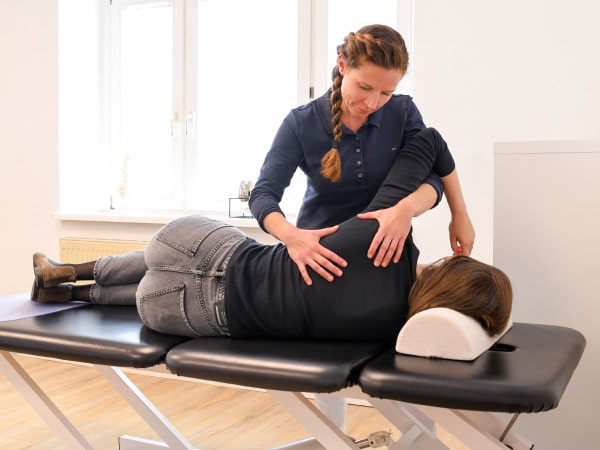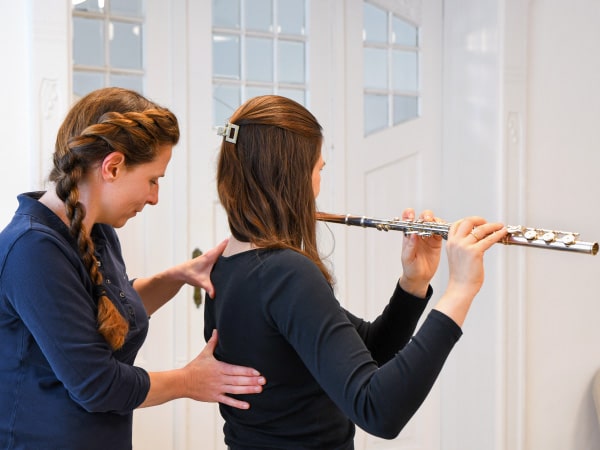
Arthrosetherapie in Berlin Treptow-Köpenick
Dr. med. Karolin Stein

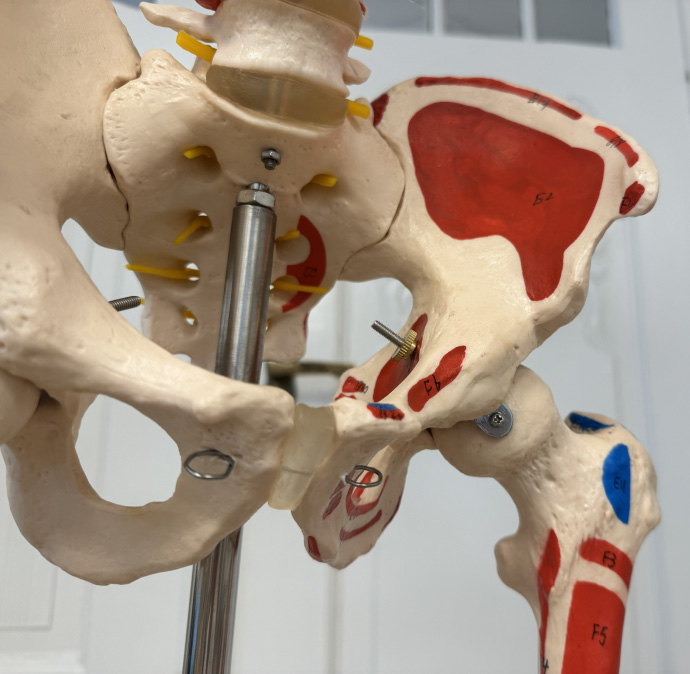
Die Arthrosetherapie in der orthopädischen Praxis befasst sich mit der Behandlung von Gelenkverschleiß (Arthrose), um Schmerzen zu lindern, Beweglichkeit zu erhalten und die Lebensqualität der Patientinnen und Patienten zu verbessern. Ziel ist es, das Fortschreiten der Erkrankung zu verlangsamen und belastungsfähige Gelenke möglichst lange zu erhalten.
In der orthopädischen Praxis werden sowohl konservative als auch interventionelle Maßnahmen eingesetzt, individuell auf das betroffene Gelenk und den Schweregrad der Arthrose abgestimmt.
Konservative Therapieansätze
- Physiotherapie und Bewegungstherapie
- Kräftigung der Muskulatur
- Stabilisierung der Gelenke
- Verbesserung der Beweglichkeit
- Gewichtsreduktion
- Entlastung von Hüft-, Knie- und Sprunggelenken
- Schmerztherapie
- Einsatz von Medikamenten wie NSAR (nicht-steroidale Antirheumatika)
- Topische Schmerzsalben
- Interventionelle Therapieansätze
- Injektionen in das Gelenk
- Hyaluronsäure
- Verbesserung der Gleitfähigkeit
- Dämpfung im Gelenk
- Kortison
- Reduktion von Entzündung
- Schmerzlinderung bei akuten Schüben
- Stoßwellentherapie
- Anregung der Durchblutung
- Schmerzlinderung bei Knie- oder Schulterarthrose
- Orthesen oder Schuheinlagen
- Korrektur von Fehlstellungen
- Entlastung des Gelenks
Die Arthrosetherapie in der orthopädischen Praxis verfolgt einen ganzheitlichen Ansatz: Sie kombiniert medikamentöse, physikalische und interventionelle Maßnahmen, um Schmerzen zu reduzieren, die Gelenkfunktion zu erhalten und die Mobilität im Alltag zu sichern. Ziel ist es, operative Eingriff möglichst lange hinauszuzögern und die Lebensqualität nachhaltig zu verbessern.
Häufige Fragen zur Arthrosetherapie
Was ist Arthrose und wie entsteht sie?
Arthrose ist eine degenerative Gelenkerkrankung, bei der es zu einem fortschreitenden Verschleiß des Gelenkknorpels kommt. Im Verlauf können auch Knochen, Gelenkkapsel, Bänder und die umgebende Muskulatur betroffen sein. Ursachen sind unter anderem Alterungsprozesse, Fehl- oder Überlastungen, frühere Verletzungen sowie genetische Faktoren.
Kann Arthrose geheilt werden?
Arthrose ist nicht heilbar. Ziel der Arthrosetherapie ist es jedoch, Schmerzen zu lindern, die Beweglichkeit zu verbessern und den Alltag möglichst lange aktiv zu gestalten. Durch eine gezielte konservative Behandlung lassen sich Beschwerden häufig deutlich reduzieren.
Welche Behandlungsmöglichkeiten gibt es bei Arthrose?
Die Arthrosetherapie umfasst verschiedene konservative Maßnahmen. Dazu zählen unter anderem eine gezielte orthopädische Diagnostik, Bewegungstherapie, Behandlung muskulärer Dysbalancen, physikalische Maßnahmen sowie – bei entsprechender Indikation – ergänzende Verfahren wie Injektionstherapien. Welche Maßnahmen sinnvoll sind, wird individuell entschieden.
Wann ist eine Operation bei Arthrose notwendig?
Eine Operation kommt in der Regel erst dann in Betracht, wenn konservative Behandlungsmaßnahmen nicht mehr ausreichend wirksam sind und die Beschwerden den Alltag erheblich einschränken. Ob eine operative Abklärung sinnvoll ist, kläre ich individuell auf Grundlage der Befunde.
Wie lange dauert eine Arthrosetherapie?
Die Dauer der Arthrosetherapie hängt vom betroffenen Gelenk, dem Stadium der Arthrose und dem individuellen Beschwerdebild ab. Häufig handelt es sich um eine längerfristige Begleitung mit regelmäßiger Anpassung der Therapie.