Manuelle Medizin & Chirotherapie in Berlin Treptow-Köpenick
Dr. med. Karolin Stein


Was ist Manuelle Medizin / Chirotherapie?
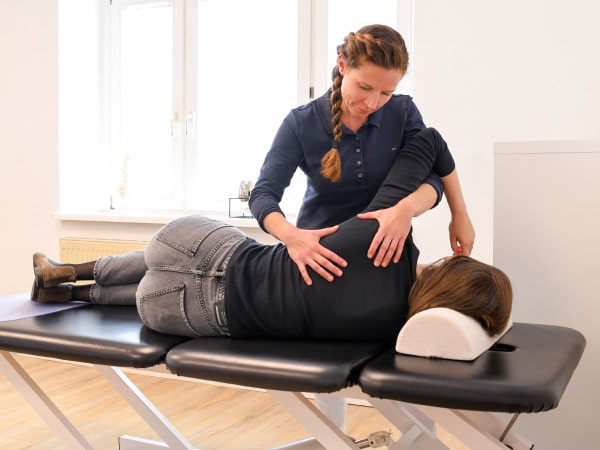
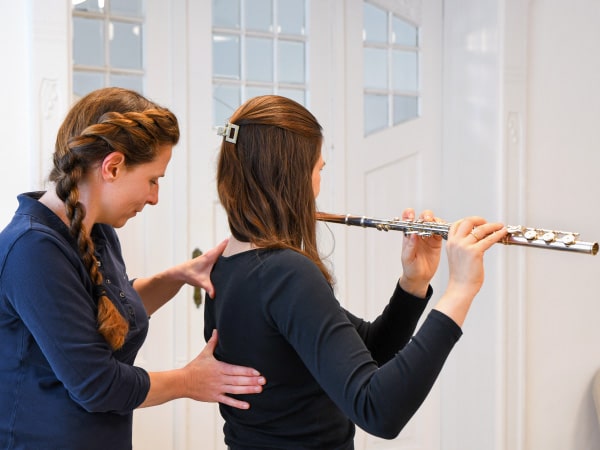
Die Manuelle Medizin / Chirotherapie ist ein spezialisiertes, therapeutisches Verfahren, das sich auf die Diagnose, Behandlung und Prävention von Funktionsstörungen des Bewegungsapparates konzentriert. Sie umfasst eine Vielzahl von Techniken, bei denen ich mit gezielten Handgriffen auf Gelenke, Muskeln und Weichteile einwirke, um die Beweglichkeit zu verbessern und Schmerzen zu lindern.
Bei welchen Beschwerden hilft die Manuelle Medizin / Chirotherapie?
Die manuelle Medizin findet Anwendung bei einer Vielzahl von Krankheitsbildern, insbesondere bei:
- Akuten und chronischen Rückenschmerzen einschließlich Schmerzen durch Blockaden oder Verspannungen der Wirbelsäule
- Nacken- und Schulterschmerzen z. B. bei Haltungsschäden oder Muskelverspannungen
- Kopfschmerzen und Migräne, die durch muskuläre Verspannungen im Nacken- und Schulterbereich ausgelöst werden
- Bewegungseinschränkungen und Gelenkbeschwerden, z. B. im Bereich der Hüfte, des Knies oder der Wirbelsäule
- Tennisellenbogen, Schulterimpingement und Bandscheibenprobleme
- Muskelverspannungen und myofasziale Schmerzsyndrome
Die manuelle Medizin trägt dazu bei, muskuläre Dysbalancen zu korrigieren, Gelenkblockaden zu lösen und eine optimale Bewegungsfunktion wiederherzustellen, wodurch die Lebensqualität der Patienten nachhaltig verbessert wird. Sie ist eine sanfte und effektive Methode, die in Kombination mit anderen therapeutischen Ansätzen, wie Physiotherapie oder medikamentöser Behandlung, eingesetzt werden kann.
Häufige Fragen zur Manuellen Medizin / Chirotherapie
Ist die Chirotherapie schmerzhaft?
In der Regel ist die Chirotherapie nicht schmerzhaft. Die meisten Techniken werden sanft und kontrolliert ausgeführt. Bei manipulativen Impulsen kann ein kurzer Druck entstehen, der jedoch sofort nachlässt. Viele Patientinnen und Patienten empfinden die Behandlung als erleichternd, da Verspannungen gelöst und blockierte Bewegungen wieder möglich werden.
Wie viele Sitzungen sind notwendig?
Akute Blockierungen lassen sich oft bereits in ein bis zwei Sitzungen lösen. Bei chronischen Beschwerden kombiniere ich die manuelle Therapie mit stabilisierenden Übungen und ergänzenden Methoden wie Triggerpunktbehandlung oder Akupunktur. Dadurch können Beschwerden langfristig reduziert und Rückfälle verhindert werden.
Was ist der Unterschied zwischen manueller Medizin und Physiotherapie?
Die manuelle Medizin ist ein ärztliches Verfahren, das eine detaillierte Diagnostik und spezifische Mobilisations- und Manipulationstechniken umfasst. Physiotherapie arbeitet eher trainings- und übungsorientiert. Beide Ansätze ergänzen sich hervorragend – je nach Situation integriere ich physiotherapeutische Übungen oder Trainingsprogramme in den Behandlungsplan.
Gibt es Nebenwirkungen nach der chirotherapeutischen Behandlung?
Nach der Behandlung können vorübergehend leichte Reaktionen wie Muskelkater, Müdigkeit oder ein Spannungsgefühl auftreten. Diese sind in der Regel harmlos und klingen innerhalb kurzer Zeit ab. Ernsthafte Nebenwirkungen sind bei korrekter Diagnostik und fachgerechter Durchführung selten.
Kann Chirotherapie bei Kopfschmerzen helfen?
Ja. Wenn Kopfschmerzen durch Verspannungen im Nacken-Schulter-Bereich oder durch Blockierungen der Halswirbelsäule verursacht werden, kann die manuelle Medizin die Häufigkeit und Intensität der Beschwerden deutlich reduzieren. Vor der Behandlung prüfe ich genau, ob die Ursache muskulär oder funktionell bedingt ist.
Ist die Behandlung sicher?
Die manuelle Medizin ist sicher, wenn sie von einer erfahrenen Ärztin durchgeführt wird. Vor jeder Behandlung erfolgt eine gründliche Diagnostik, um auszuschließen, dass strukturelle Ursachen wie Frakturen, Entzündungen oder Bandscheibenprobleme vorliegen. Erst wenn die manuelle Therapie klar angezeigt ist, wende ich sie gezielt an.
Wann sollte keine Chirotherapie durchgeführt werden?
Bei akuten Entzündungen, Knochenbrüchen, Tumorerkrankungen, ausgeprägter Osteoporose oder neurologischen Ausfällen ist die Chirotherapie nicht geeignet. In solchen Fällen nutze ich alternative orthopädische Verfahren und stimme die Behandlung individuell ab.
Werden die Kosten für Chirotherapie übernommen?
Die Abrechnung erfolgt gemäß der Gebührenordnung für Ärzte (GOÄ). Private Krankenversicherungen und Beihilfestellen übernehmen die Kosten in der Regel abhängig vom individuellen Tarif. Gesetzliche Krankenkassen erstatten ärztliche chirotherapeutische Leistungen meist nicht oder nur eingeschränkt.