Orthopädische Musikermedizin in Berlin Treptow-Köpenick
Dr. med. Karolin Stein

Was ist orthopädische Musikermedizin?
Orthopädische Musikermedizin befasst sich mit der Diagnose, Behandlung und Prävention von Beschwerden, die durch die besonderen körperlichen Anforderungen beim Musizieren entstehen.
Lange Übezeiten, einseitige Haltungen und präzise Bewegungen können zu typischen Überlastungsproblemen führen, die gezielte orthopädische Betreuung erfordern.
Typische orthopädische Beschwerden bei Musikerinnen und Musikern
Behandelt werden unter anderem:
- Sehnenreizungen und Sehnenscheidenentzündungen z. B. an Unterarm, Handgelenk oder Fingern durch repetitive Bewegungen und hohe Belastung
- Nacken- und Schulterverspannungen (typisch bei Cellisten oder Pianisten)
- Rückenschmerzen (häufig bei Schlagzeugern oder Bläsern durch Sitz- und Atemhaltung)
- Nervenkompressionssyndrome wie das Karpaltunnelsyndrom (z. B. bei Gitarristen oder Pianisten)
- Überlastung der Finger- und Daumengrundgelenke (oft bei Holzbläsern oder Harfenspielern)
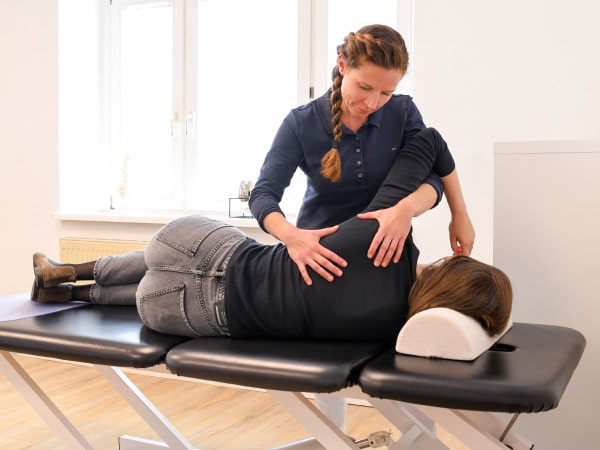
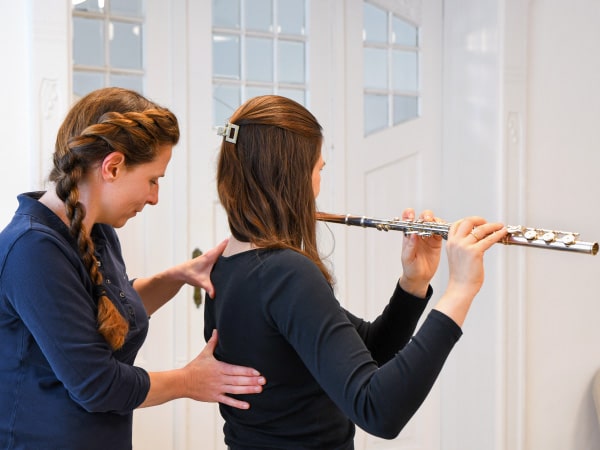
Die Therapie umfasst individuell abgestimmte orthopädische Maßnahmen wie manuelle Medizin, Physiotherapie, Haltungs- und Spieltechnikberatung sowie präventive Übungsprogramme. Ziel ist es, Musikerinnen und Musikern eine schmerzfreie, leistungsfähige und langfristig gesunde Ausübung ihres Instruments zu ermöglichen.
Instrumentenspezifische Belastungen des Bewegungsapparates
Die körperlichen Belastungen beim Musizieren unterscheiden sich je nach Instrument erheblich. In der orthopädischen Musikermedizin ist es daher entscheidend, instrumentenspezifische Bewegungsmuster, Spielhaltungen und Belastungsschwerpunkte gezielt zu analysieren und in die Diagnostik und Therapie einzubeziehen.
Häufige orthopädische Belastungsprofile in Abhängigkeit vom Instrument sind:
- Streichinstrumente (z. B. Violine, Viola, Cello)
Einseitige Kopf- und Schulterhaltung, erhöhte Belastung der Halswirbelsäule, Schulter-Arm-Region sowie der Unterarm- und Handmuskulatur, insbesondere der Greifhand - Tasteninstrumente (z. B. Klavier, Keyboard, Orgel)
Repetitive Feinmotorik der Finger, statische Belastung von Unterarmen, Schultern und Nacken sowie erhöhte Beanspruchung der Handgelenke - Blasinstrumente
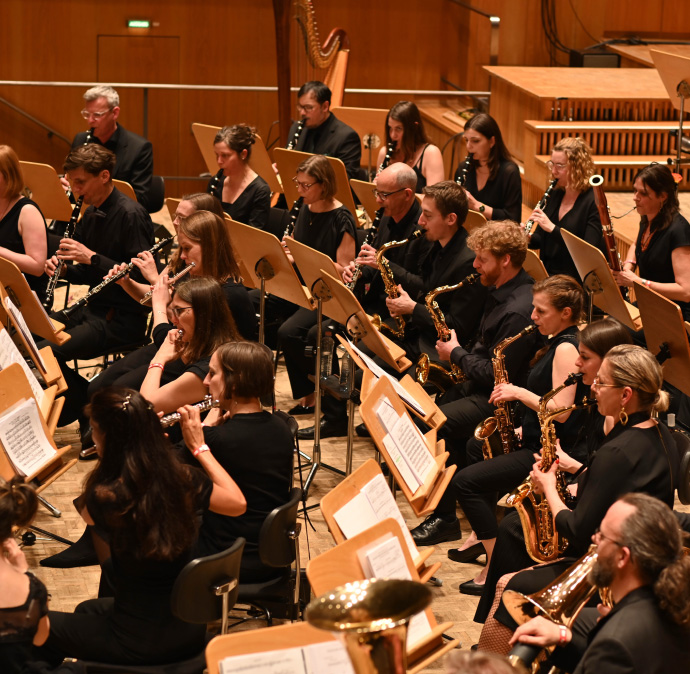
Belastungen der Halswirbelsäule, Schultergürtelmuskulatur sowie der Atem- und Rumpfmuskulatur durch Haltearbeit und Atemtechnik - Schlagwerk
Hohe dynamische Belastung von Schultern, Ellenbogen und Handgelenken sowie rückenbezogene Beschwerden durch Sitzhaltung und repetitive Schlagbewegungen
Die Berücksichtigung dieser instrumentenspezifischen Besonderheiten ermöglicht eine präzise, individuell angepasste orthopädische Behandlung, die sowohl akute Beschwerden lindert als auch Überlastungen langfristig vorbeugt.
Häufig gestellte Fragen
Behandeln Sie Musikerinnen und Musiker aller Instrumente?
Ja. In meiner Sprechstunde für Musikermedizin betreue ich Musikerinnen und Musiker unterschiedlicher Instrumentengruppen – von Streichern, Bläsern und Pianistinnen bis hin zu Schlagzeugern und Sängerinnen. Entscheidend sind nicht das Genre oder das Spielniveau, sondern Ihre konkreten Beschwerden und Anforderungen. Gemeinsam analysieren wir, welche Strukturen besonders belastet sind und wie wir Ihre Situation gezielt verbessern können.
Muss ich wegen der Schmerzen mit dem Üben aufhören?
Ob eine Übepause notwendig ist, hängt von der Art und Ausprägung der Beschwerden ab. Häufig ist es möglich, das Pensum anzupassen, Pausen anders zu strukturieren oder bestimmte Bewegungen vorübergehend zu reduzieren, anstatt vollständig aufzuhören. Nach der Untersuchung besprechen wir gemeinsam, welche Belastung für Sie aktuell sinnvoll und sicher ist und wie Sie Schritt für Schritt wieder zur gewohnten Spielpraxis zurückkehren können.
Brauche ich eine Überweisung oder Vorbefunde?
In meiner Privatpraxis können Sie in der Regel ohne Überweisung einen Termin vereinbaren. Wenn bereits Vorbefunde wie MRT-, Röntgen- oder Arztberichte vorliegen, bringen Sie diese bitte mit – sie helfen, den Verlauf besser einzuschätzen und Doppeluntersuchungen zu vermeiden. Falls zusätzliche Diagnostik notwendig wird, bespreche ich mit Ihnen die nächsten sinnvollen Schritte.
Worin unterscheidet sich Musikermedizin von „normaler“ Orthopädie?
In der Musikermedizin betrachte ich Beschwerden immer im Zusammenhang mit Ihrem Instrument, Ihrer Spieltechnik und Ihrem Übealltag. Es geht nicht nur darum, eine Sehnenreizung oder Gelenkbeschwerde zu diagnostizieren, sondern auch zu verstehen, warum sie im musikalischen Kontext entstanden ist. Therapie, Haltungsberatung und präventive Übungen werden so ausgewählt, dass sie zu Ihrer künstlerischen Tätigkeit passen und Sie langfristig spiel- und auftrittsfähig bleiben.
Behandeln Sie auch Musikstudierende und Hobbymusiker?
Ja, ausdrücklich. Überlastungsbeschwerden können bereits im Studium oder bei intensivem Musizieren in der Freizeit auftreten. Eine frühzeitige Betreuung ist hier besonders wichtig, um chronische Verläufe und längere Spielpausen zu verhindern. Unabhängig davon, ob Sie professionell musizieren, studieren oder als Hobby spielen: Ihre Beschwerden werden ernst genommen und individuell behandelt.
Wie schnell kann ich mit einer Besserung rechnen?
Die Dauer bis zur Besserung hängt von der Art der Beschwerden, ihrer Dauer und der bisherigen Belastung ab. Akute Überlastungsprobleme bessern sich oft innerhalb weniger Wochen, wenn Belastung, Therapie und Übeverhalten gut aufeinander abgestimmt werden. Bei länger bestehenden oder wiederkehrenden Beschwerden kann ein etwas längerer Zeitraum nötig sein. Wichtig ist, dass wir gemeinsam ein realistisches Ziel und einen klaren Behandlungs- und Übeplan festlegen.